

The clinical photography protocol in dentistry: why you can’t sell high-value treatment without it. A look at Dr. Michael Apa’s profile
A patient decides on porcelain veneers when they see the result with their own eyes. What convinces them is dozens of before-and-after cases shot from different angles, not an ad.
We look at this using Dr. Michael Apa’s Instagram (648,000 followers) as an example: what he shows in his cases, and why his brand wouldn’t exist without this kind of clinical photography protocol.
We judge beauty by what we see
Many of us love looking at beautiful houses, yachts, and expensive cars. We picture ourselves behind the wheel of a muscle car or living in a house like that. In movies and TV shows, we see actors with perfect teeth: how they smile, how confident they are, and we want to look the same.
We take all of this in with our eyes, and that’s what draws us in. Dentistry works the same way, especially in the premium segment and for high-value treatment. A patient who wants a new smile thinks not only about function but also about how it looks.
Why an ad alone won’t help here
I’ve said more than once that a full smile makeover isn’t easy to sell. Patients buy a teeth cleaning or whitening easily because the price is low. That doesn’t work for porcelain veneers at $17,000–20,000.
You can sell plenty of them, but not with ads alone. I explained why in detail in the article on Instagram and Google ads. The patient acquisition cost calculator shows what a veneer patient costs you in your country.
Example: Dr. Michael Apa’s profile
Let’s look at the personal brand of Dr. Michael Apa and see why it works for him.
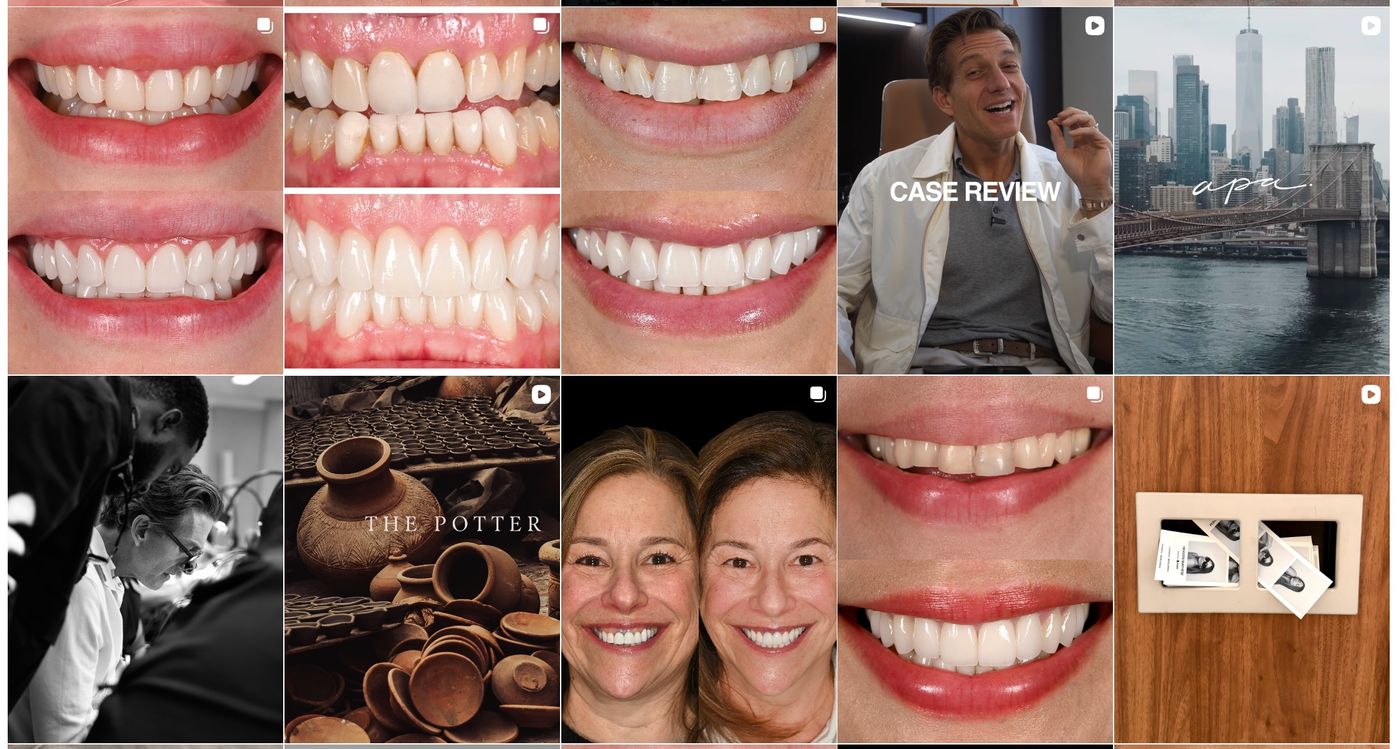
His Instagram has 648,000 followers, and he invests huge amounts of money in his brand. But we’re interested in something else: the quality of his clinical photography protocol and what he shows on his profile.

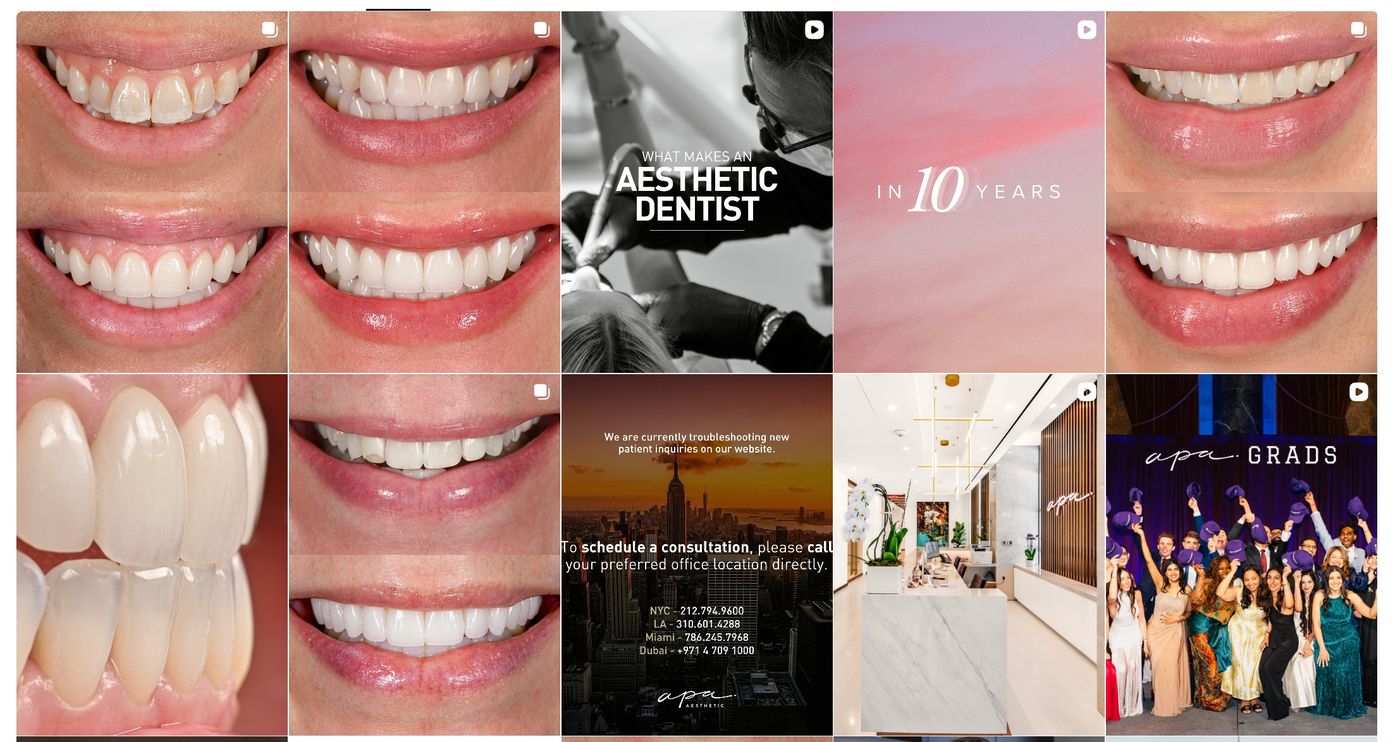
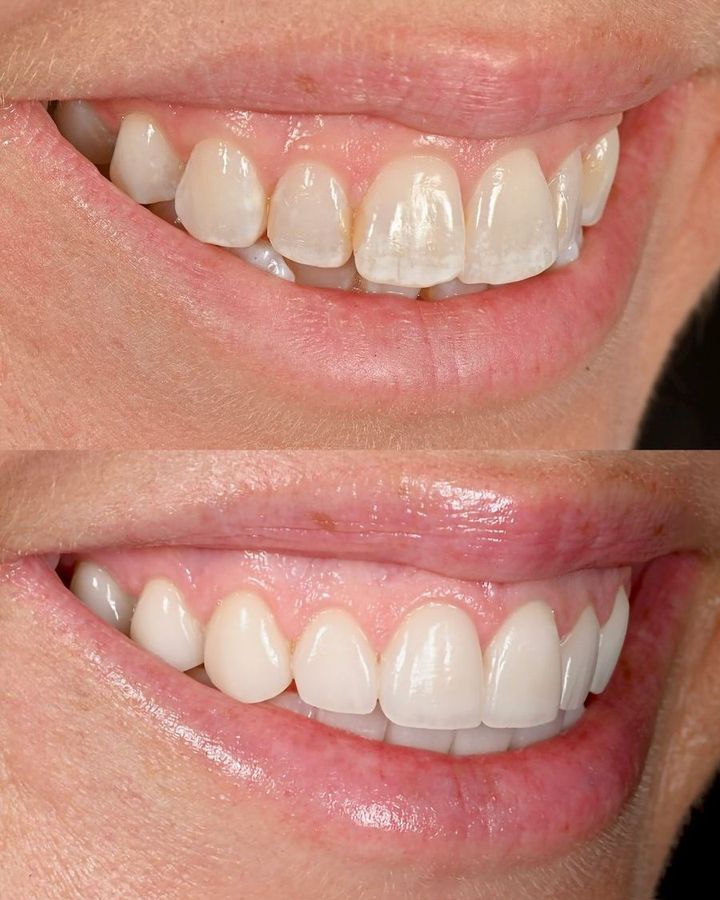
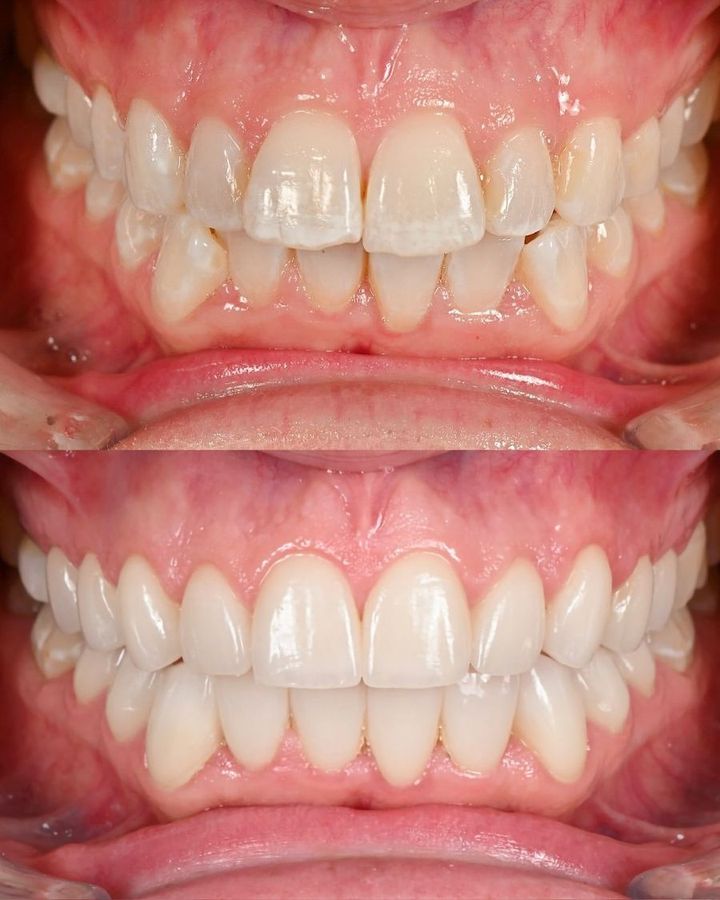
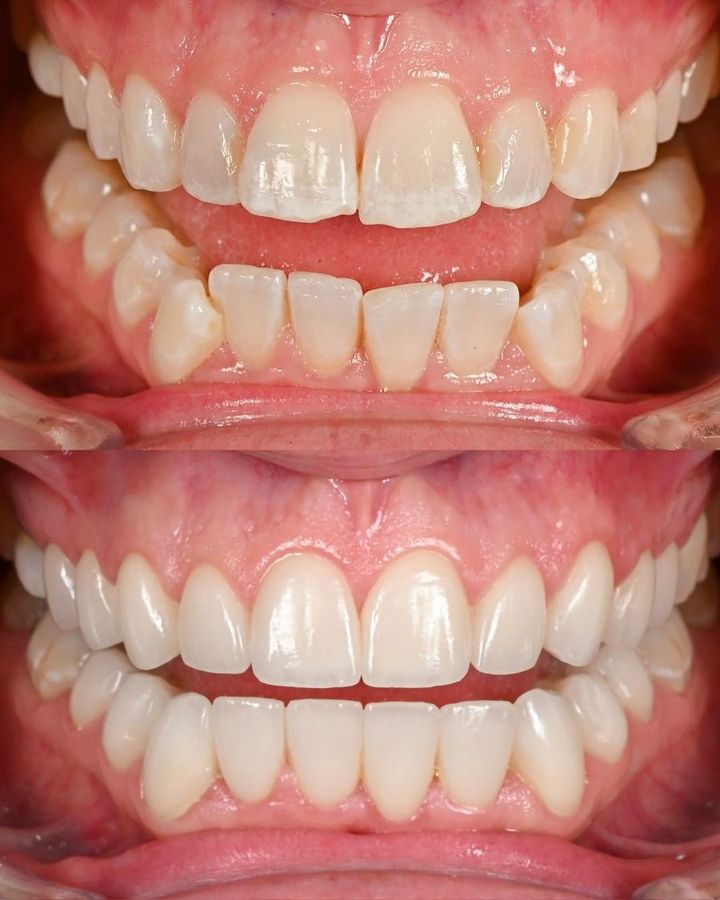
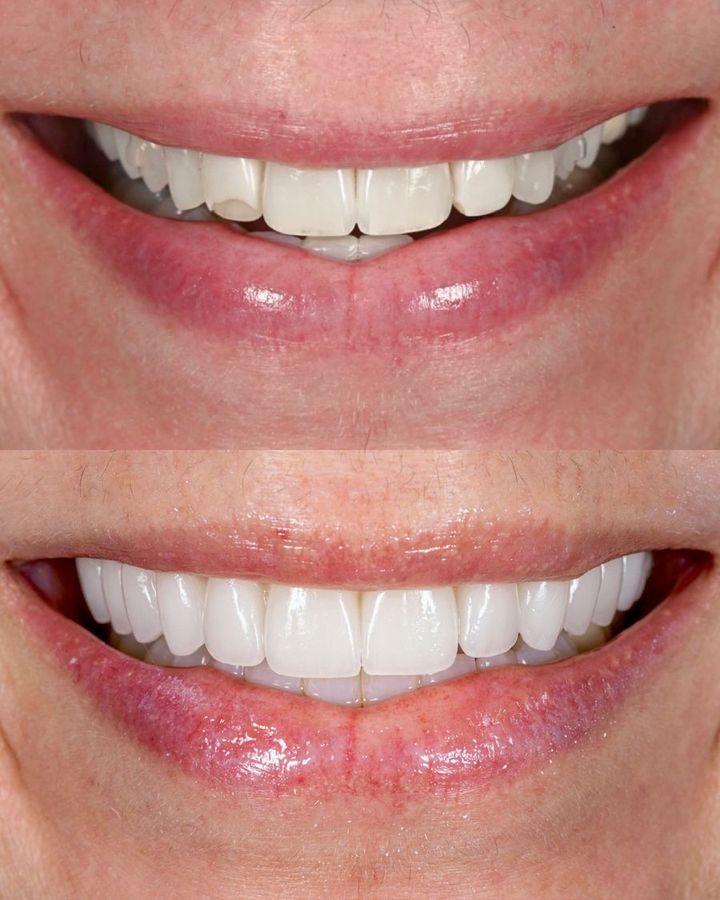
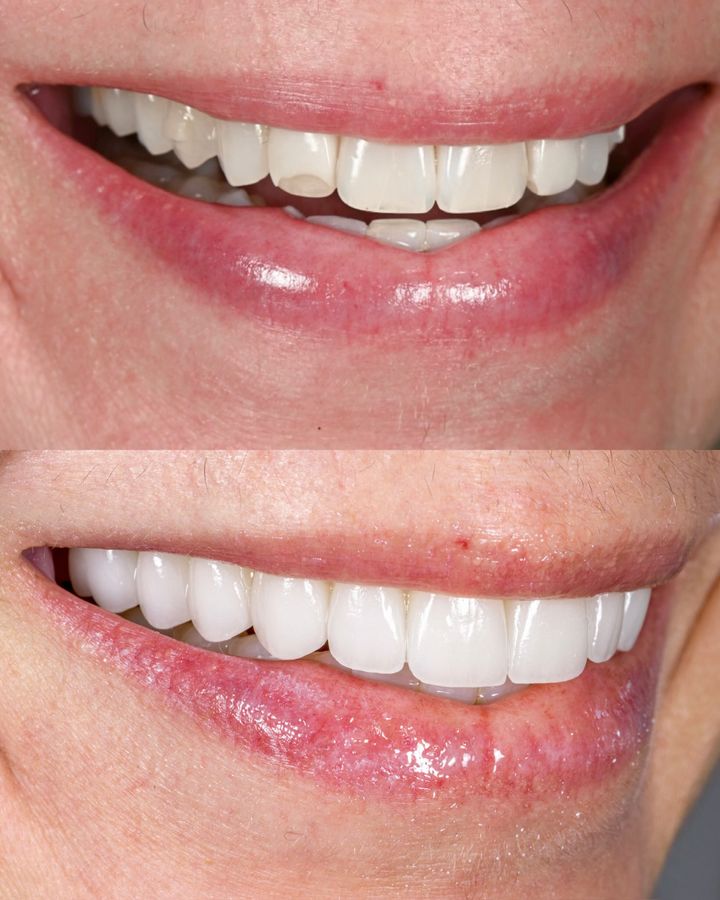
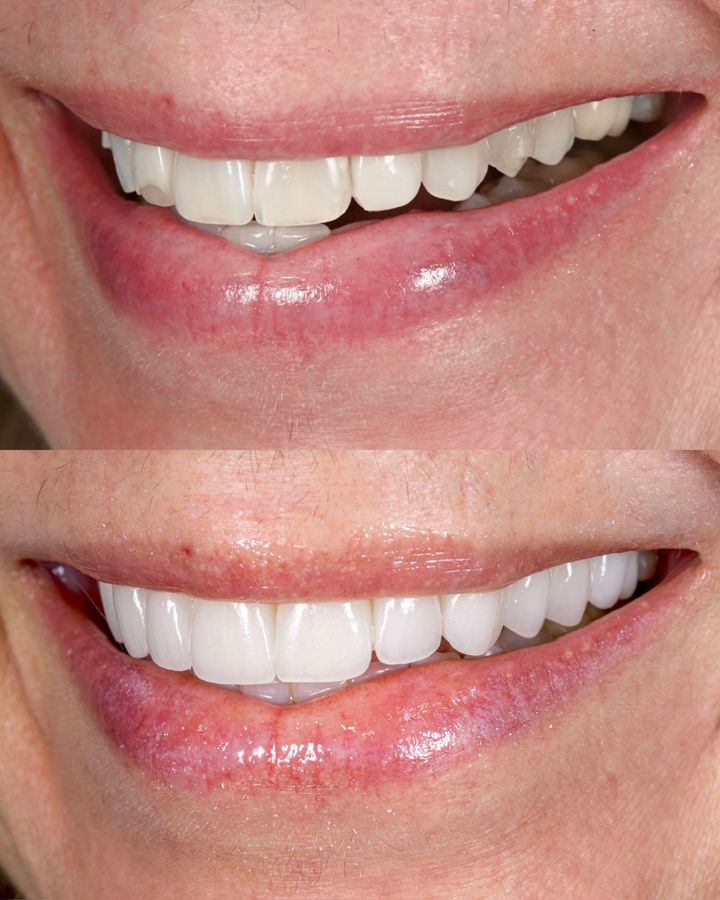
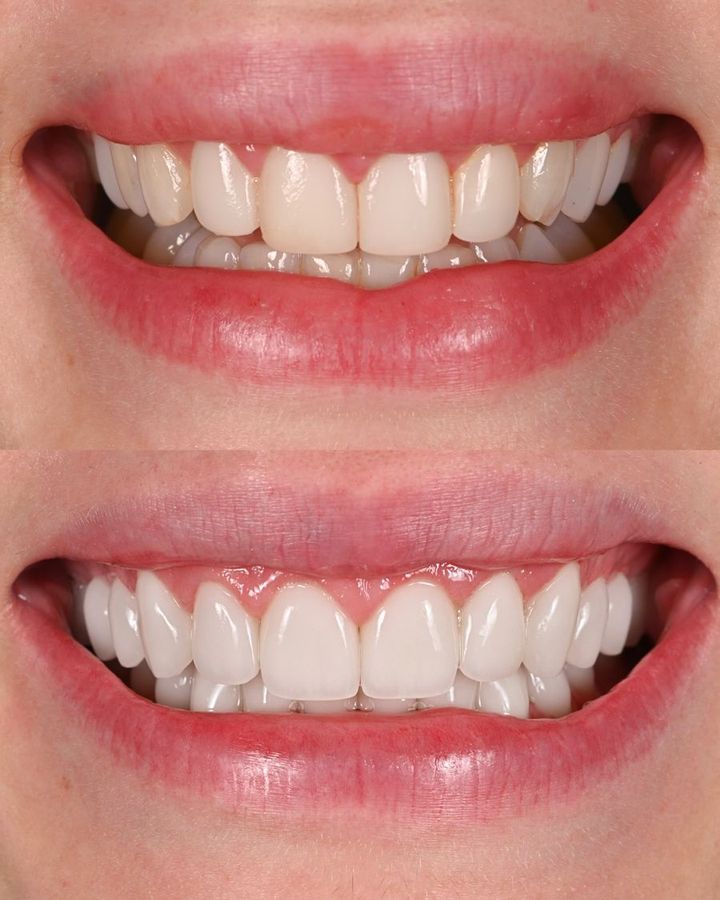
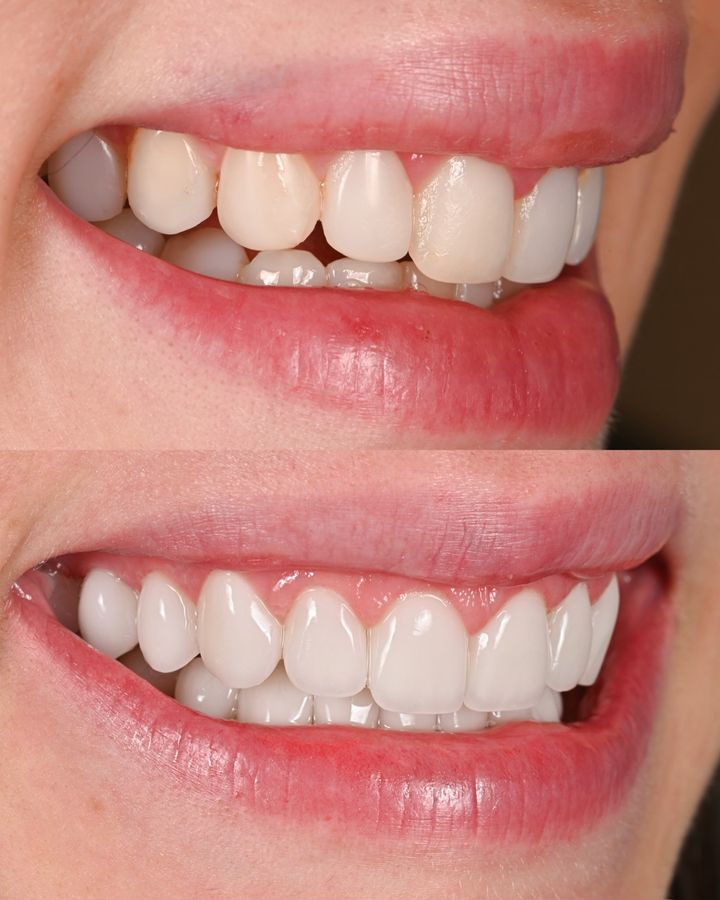
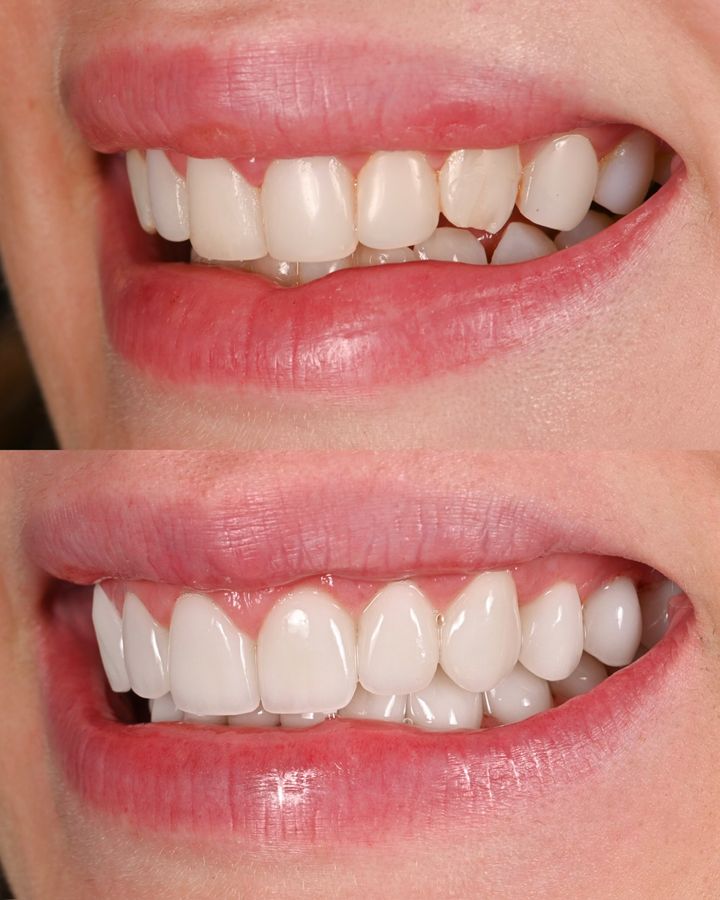
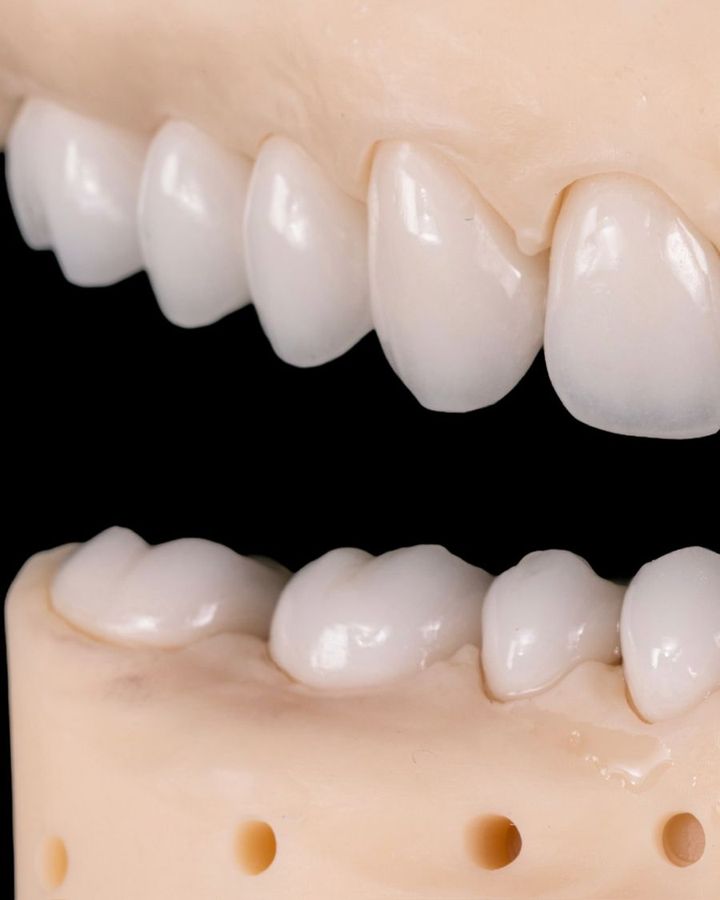
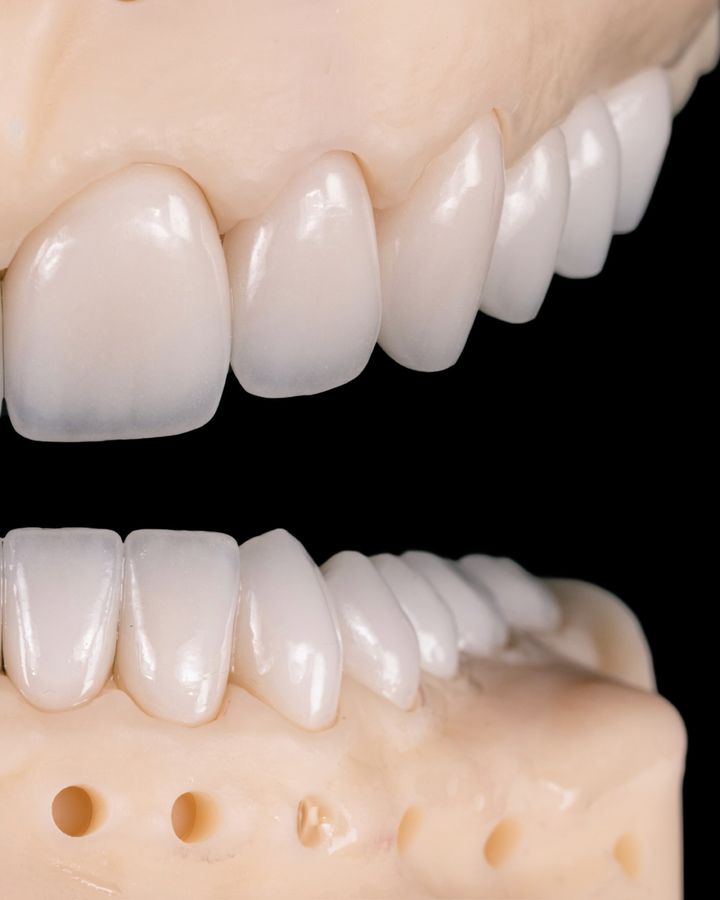
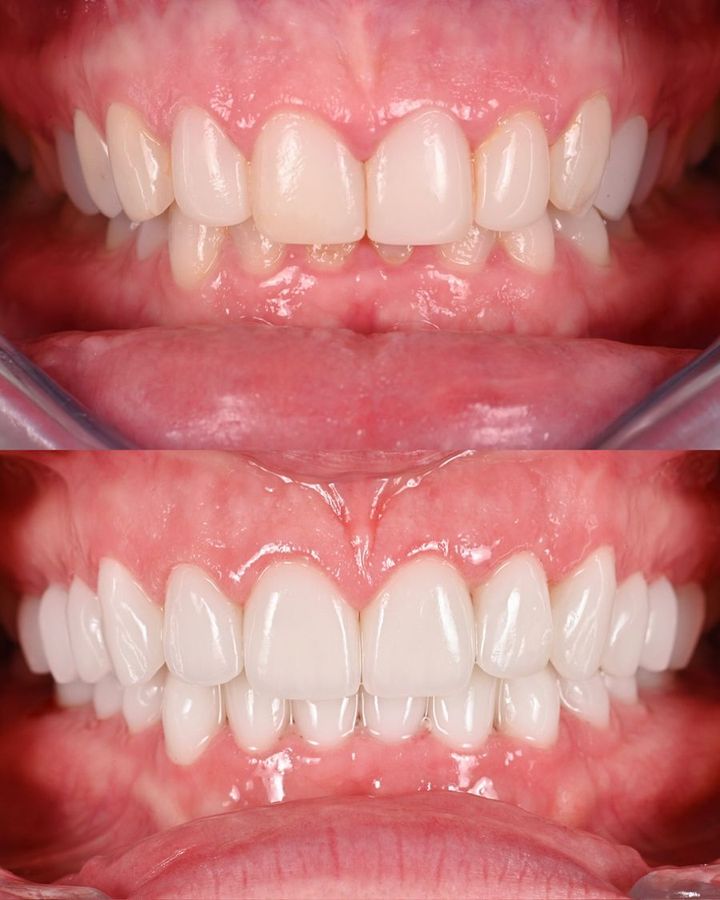
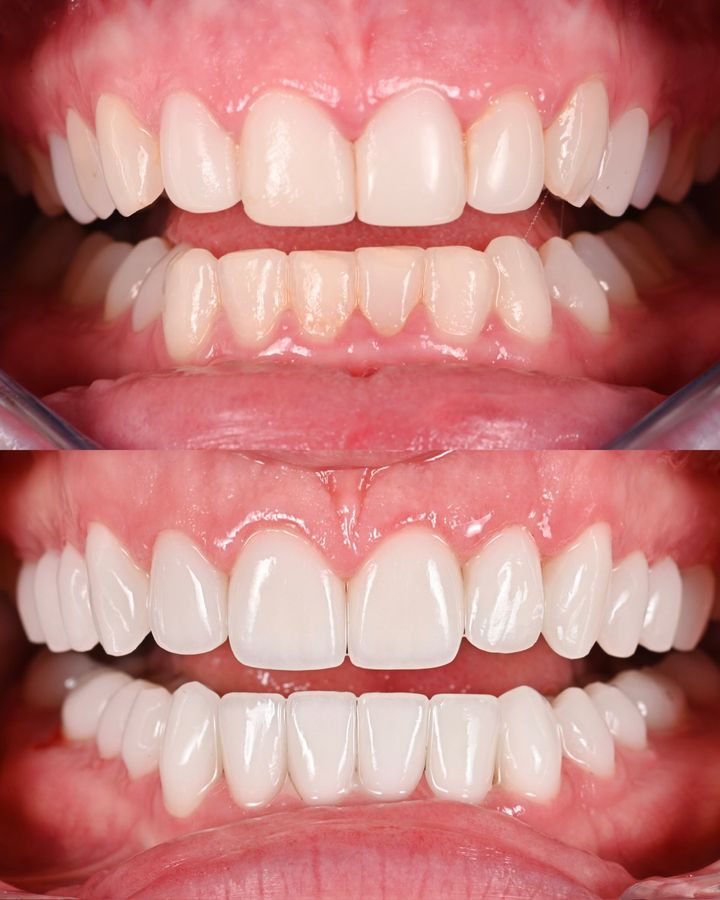
The profile has many before-and-after cases: each carousel shows photos of one patient. Notice that the photos are:
- not overexposed, so the color of the teeth and gums looks natural;
- free of glare that hides the shape of the tooth;
- sharp and high-resolution, so you can look at them up close;
- taken from different angles, with “before” and “after” shot from the same spot.
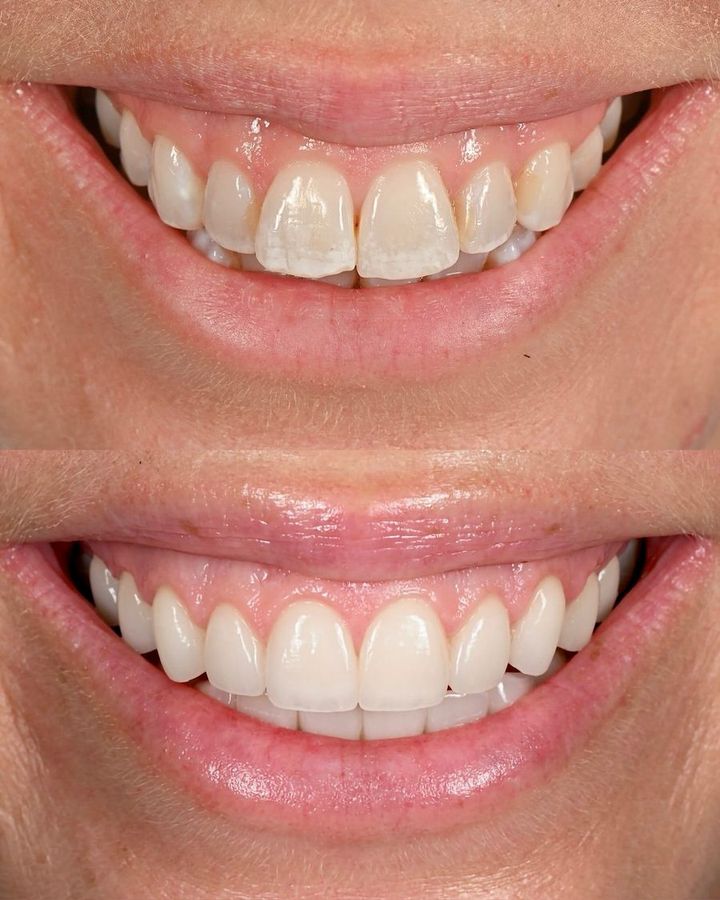
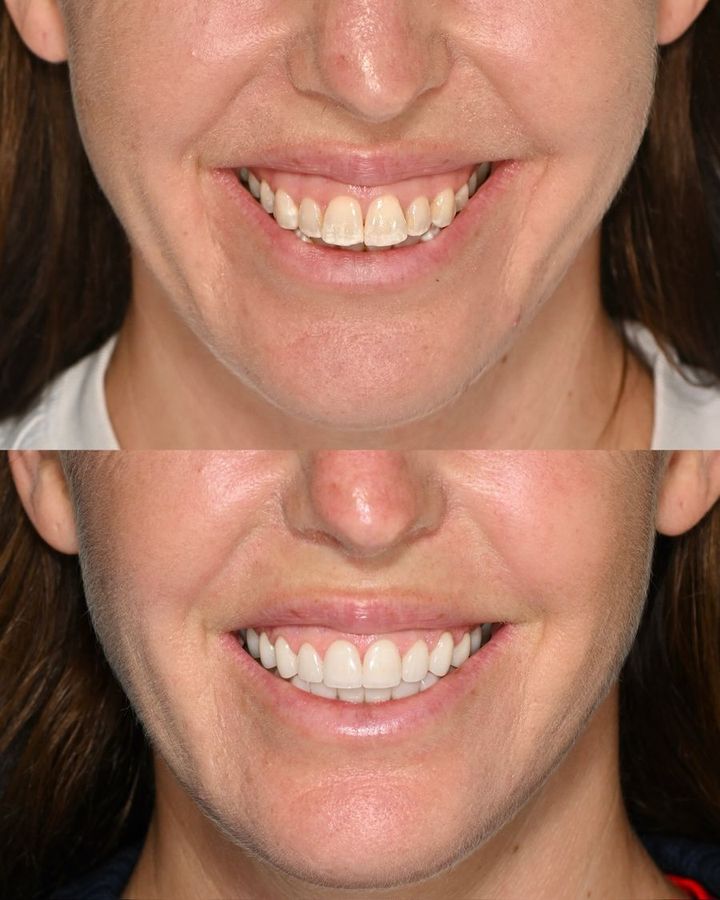
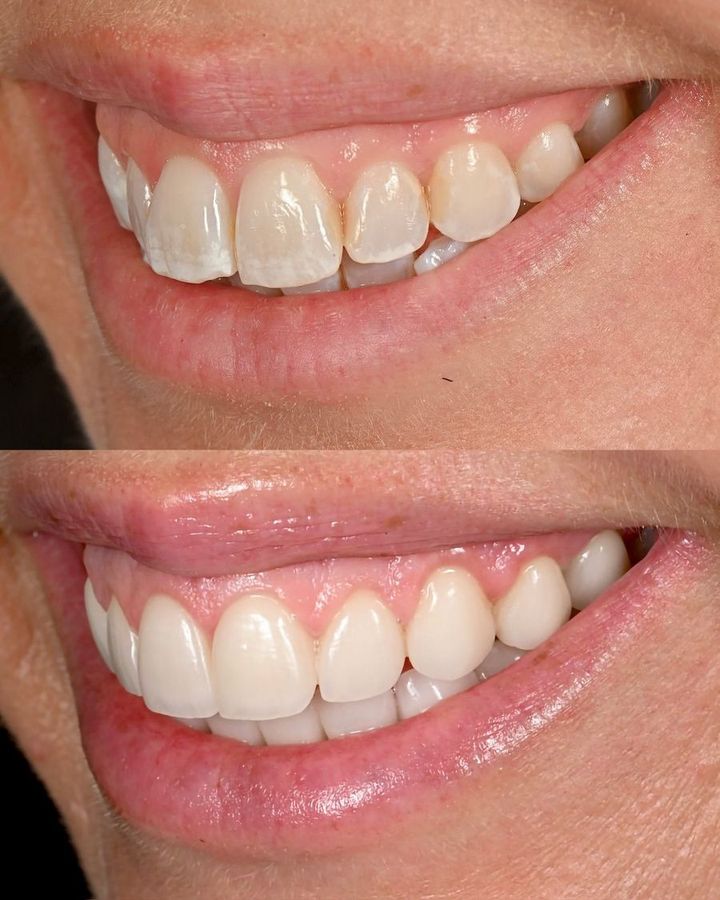
Below are three full carousels from his profile. See which angles they were taken from.
Scroll sideways. In each photo, “before” is on top and “after” is below.
 BeforeAfter
 BeforeAfter
 BeforeAfter
 BeforeAfter
 BeforeAfter
 BeforeAfter
 BeforeAfter
 BeforeAfter
 BeforeAfter
 BeforeAfter
 BeforeAfter
 BeforeAfter
 BeforeAfter
 BeforeAfter
All three cases follow the same order: a front view of the smile, both sides, then shots with retractors. Sometimes the carousel also shows the porcelain on its own before it’s bonded.
This sells, but not overnight
All of this shapes the choice: the person wants a new smile from this particular dentist or their team. They open the profile and see dozens of flawless results, hundreds of thousands of followers, and people who trust the dentist. And they want to be part of that story.
People start following the profile and spend months watching the dentist and their work. It all sells together:
- the dentist’s brand;
- well-organized content categories on the profile;
- regular posts and stories on social media.
I covered how to build a dentist’s personal brand, and what to post besides cases, in the article on a dentist’s personal brand.
Checked: of 7
The unchecked items show why your cases don’t help sell high-value treatment yet.
Your cases are well photographed. Now show them regularly to people who are looking for this kind of treatment.
Without a clinical photography protocol, you can’t sell high-value treatment
Without a strong clinical photography protocol, Michael Apa wouldn’t have his brand. A dentist can do perfect work. But if they don’t show it, the patient has no reason to trust them. And without trust, nobody buys high-value treatment.
When people want a new smile, they’ll come straight to you. So grow your personal brand and learn to follow a proper clinical photography protocol for every patient.
A free 15-minute call: we’ll look at your profile and cases and decide where to start.
What this article is based on
- A full porcelain smile makeover at $17,000–20,000: prices at clinics the author works with. One veneer costs about €650 ($730), converted at the NBP rate on November 10, 2026.
- 648,000 followers: the @doctorapa profile on Instagram, as of October 18, 2026.
- Case and profile photos: public posts by @doctorapa on Instagram, shown as an example for analysis.
Frequently asked questions
What is a clinical photography protocol in dentistry?
It’s a series of photos of a patient before and after treatment, taken from the same angles: a front view of the smile, the face, both sides, and the teeth with retractors. It lets the patient see the result and the dentist’s level of skill.
Why is it hard to sell veneers without a clinical photography protocol?
A patient chooses a $17,000–20,000 smile makeover by what they see. If a dentist can’t show the results of their work in cases, the person has no reason to trust them.
What should before-and-after photos look like?
No overexposure or glare, sharp, high-resolution, and taken from the same angles before and after treatment.
Can you sell veneers with ads alone?
You can sell plenty of veneers, but not with ads alone. People decide after months of watching a dentist’s work on social media.
Strategy session for dental clinic owners
We’ll go through your clinic using your own numbers: where patients come from, how much you can pay for one, and how many months it takes for ads to pay off. You’ll leave with a plan and a recording of the call.
Book a sessionRun the numbers for your clinic


